
Carbon Project
Keta Lagoon Blue Carbon Project - Ghana
Location
Keta Lagoon, Ghana
Size
5,000-6,000
hectares
Focus
Mangrove restoration

Video with a small caption lorem ipsum di monti duela consectetur adipiscing elit, sed do eiusmo.
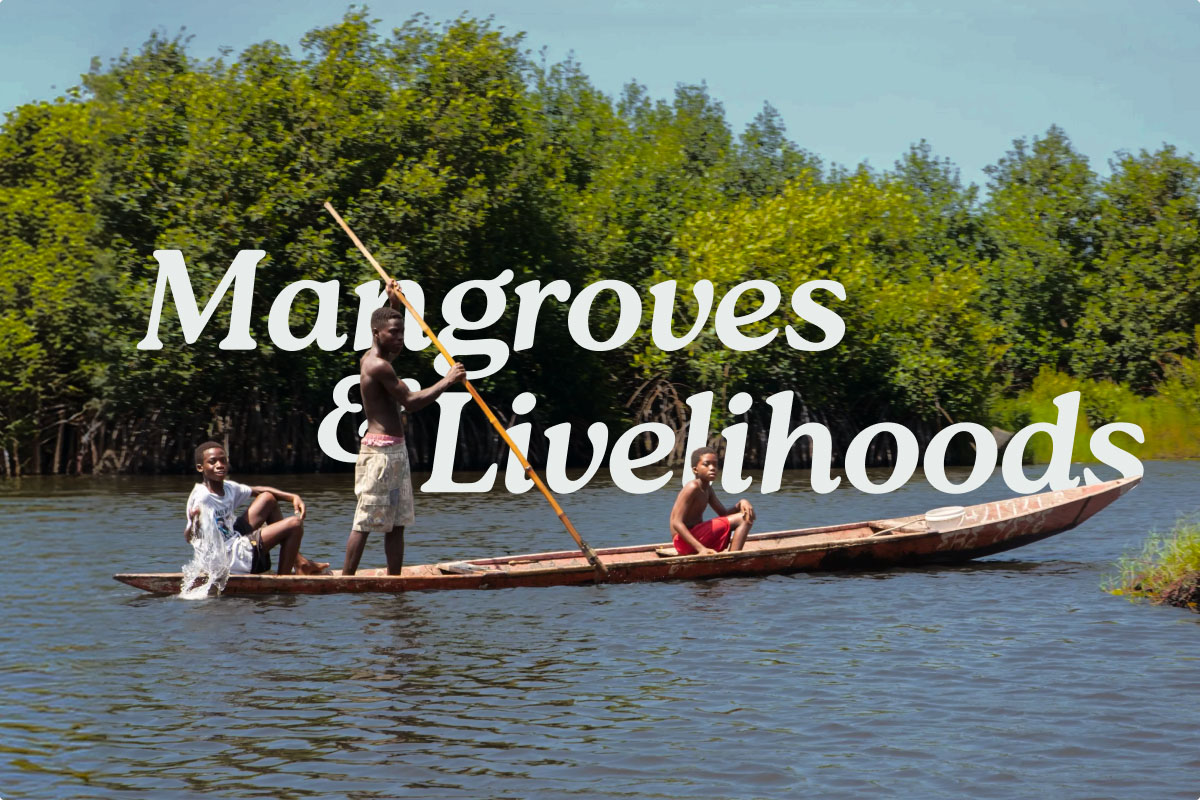
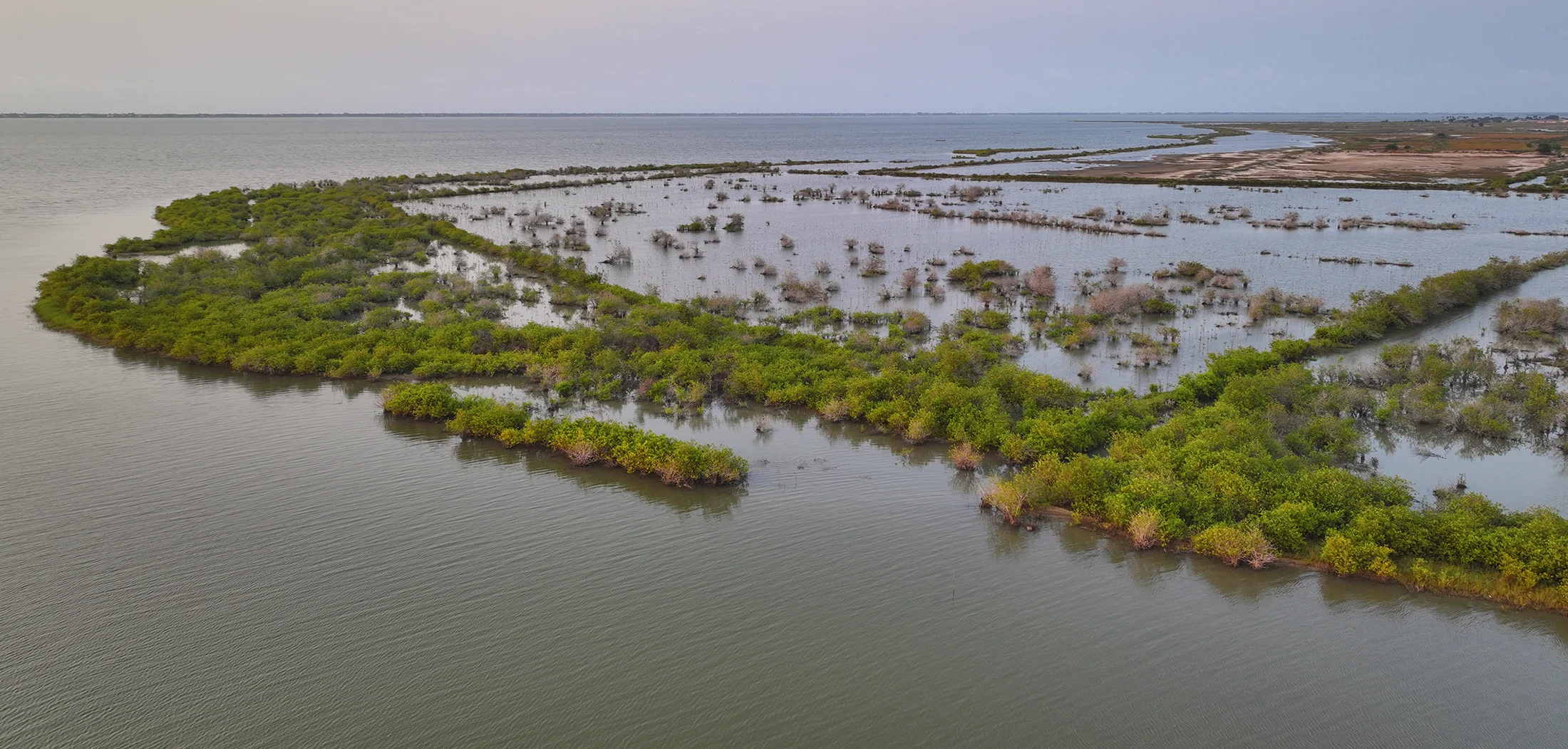
Keta Lagoon Blue Carbon Project, or Keta Blue, is restoring degraded coastal wetlands in a biodiversity hotspot protected under the global Ramsar Wetlands Treaty. Planting four native mangroves species, this project aims to enhance local biodiversity and mangrove ecosystem health, improving the livelihoods of communities reliant on the lagoon and its surrounding wetlands.
Co-benefits include the revitalization of community fisheries and beekeeping (apiculture) offering food security and new income sources, improved water quality and flood control, and local job creation for planting, nursery work, monitoring, and eco-tourism.




of Ghana’s population lives in the coastal zone, which accounts for nearly 80% of the country’s industrial activity.
Of Ghana’s mangrove cover was lost between 1980 and 2014.
Source: WACA

of Ghana’s population lives in the coastal zone, which accounts for nearly 80% of the country’s industrial activity.
Of Ghana’s mangrove cover was lost between 1980 and 2014.
Source: WACA
— Director of a UK Company
— Director of a UK Company


Healthy coastal ecosystems improve water quality, reduce flooding and erosion.
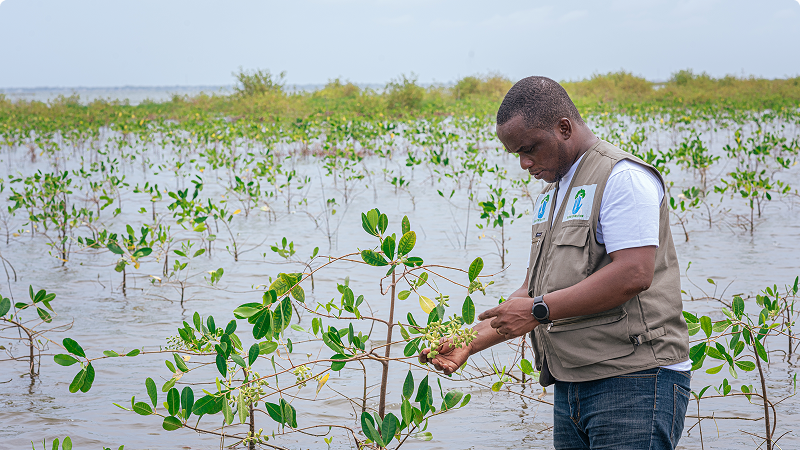
Healthy coastal ecosystems improve water quality, reduce flooding and erosion.
Restored mangroves support the recovery of natural fisheries and provide habitat for bees that can produce honey from black mangrove (Avicennia germinans) flowers. The project is also supporting aquaculture and other livelihood opportunities for local communities.
of the project workforce are women
of training participants are women
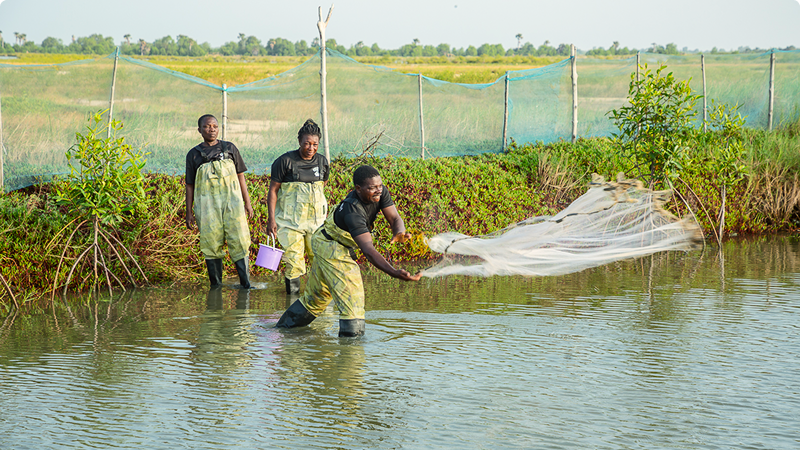
Restored mangroves support the recovery of natural fisheries and provide habitat for bees that can produce honey from black mangrove (Avicennia germinans) flowers. The project is also supporting aquaculture and other livelihood opportunities for local communities.
of the project workforce are women
of training participants are women
We’re partnering with two local organizations—Regenerative Development of Anlo Wetlands Ltd. (ReDAW) and Agrointroductions—who will be leading on-the-ground implementation and the long-term management of the project.
ReDAW brings specialized expertise in wetland ecosystems and regenerative aquaculture. The organization has successfully established four mangrove nurseries across Ghana. ReDAW was founded by the team behind Seawater Solutions, which has worked across eight countries and was named a Top Innovator winner of Africa’s Great Blue Wall Challenge.
Agrointroduction is leading the second phase of the project and brings experience across various ecological zones, along with a strong reputation and connections with local and national governmental agencies.
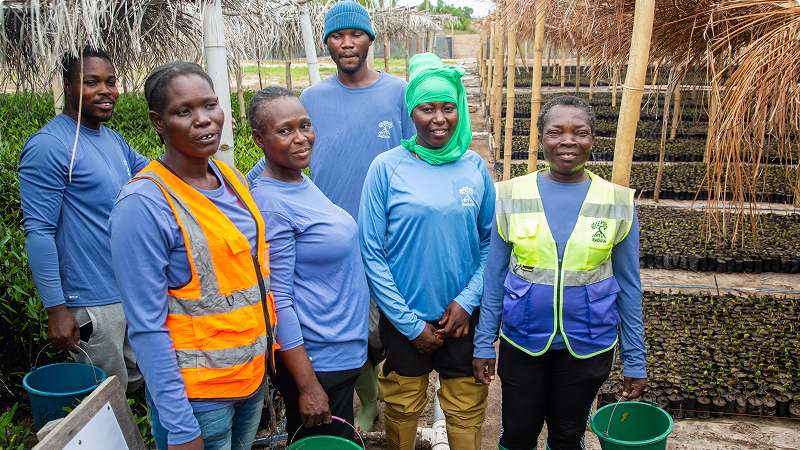
We’re partnering with two local organizations—Regenerative Development of Anlo Wetlands Ltd. (ReDAW) and Agrointroductions—who will be leading on-the-ground implementation and the long-term management of the project.
ReDAW brings specialized expertise in wetland ecosystems and regenerative aquaculture. The organization has successfully established four mangrove nurseries across Ghana. ReDAW was founded by the team behind Seawater Solutions, which has worked across eight countries and was named a Top Innovator winner of Africa’s Great Blue Wall Challenge.
Agrointroduction is leading the second phase of the project and brings experience across various ecological zones, along with a strong reputation and connections with local and national governmental agencies.



Verra sets the world’s leading standards for climate action and sustainable development. The Verified Carbon Standard (VCS) is the most widely used GHG crediting program. The Climate, Community & Biodiversity Standard (CCB) indicates that a project mitigates climate change, supports local communities, and protects vulnerable species.